Smarter Tech for Better Daily Comfort
Although we don’t have flying cars and haven’t colonized Mars, the advances we’ve made in prosthetics over the past decade are truly changing the future. Innovation has reshaped what everyday mobility can look like for people living with limb loss.
Today’s options aren’t what they were a century ago. What’s great is that now prosthetics focus not only on walking or grasping, but on comfort, safety, and adaptability throughout a full day of real-world activity.
With improved socket systems and prosthetics that respond in real time, modern technology is helping users move more naturally and with less strain. Understanding these innovations can empower patients and families to have more informed conversations with their orthotics and prosthetics care team and set realistic expectations and goals for daily function.
What “Everyday Mobility” Really Means With Prosthetics
Everyday mobility is about more than just walking. It includes getting in and out of a chair, navigating stairs and curbs, standing for longer periods, and staying comfortable during errands or social activities. For upper-limb users, it can mean preparing meals, using tools at work, or managing buttons and zippers. Depending on your hobbies and interests, it could include rock climbing or even wheelchair basketball. That’s why a one-size-fits-all solution has gone out of style. The most effective prosthetic solutions are those tailored to individual routines, limb health, and long-term comfort rather than generic performance goals.
Advanced Prosthetics That Think in Real Time
Microprocessor Knees for Safer Walking
Microprocessor-controlled knees have become one of the most significant advancements for individuals with an above-knee prosthetic leg. These systems use sensors to monitor movement and adjust resistance hundreds of times per second. The result is smoother transitions when walking on ramps, uneven ground, or stairs. Many users report feeling more stable during daily activities, which can reduce hesitation and mental fatigue when moving through busy environments. A little bit of extra stability goes a long way for peace of mind.
Powered Knees and Ankles for Added Assistance
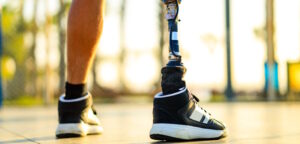
Powered components take technology a step further by adding active motion rather than simply responding to movement. A powered prosthetic knee or prosthetic foot can help generate push-off during walking, which may reduce strain on the sound limb and lower back. While not appropriate for everyone, these devices can be beneficial for individuals who walk longer distances or manage slopes and variable terrain as part of their daily routine.
Comfort Upgrades That Start at the Socket
Elevated Vacuum Suspension and All-Day Fit
The socket remains the foundation of comfort for any prosthetic leg. One notable innovation is elevated vacuum suspension, which uses controlled suction to maintain a secure connection between the limb and socket. This approach can help manage daily limb volume changes that often cause chafing or looseness later in the day. Many users describe a more consistent fit and improved sense of connection to their prosthetic.
Better Liners, Materials, and Skin-Friendly Design
Advancements in liner materials have focused on breathability, moisture control, and even pressure distribution. Newer designs aim to reduce friction and heat buildup, which are common contributors to skin irritation. These improvements can support longer wear time and reduce the need for frequent adjustments, especially for individuals with sensitive skin or circulation concerns.
Smarter Upper-Limb Options for Work and Home
Myoelectric Control Explained Simply
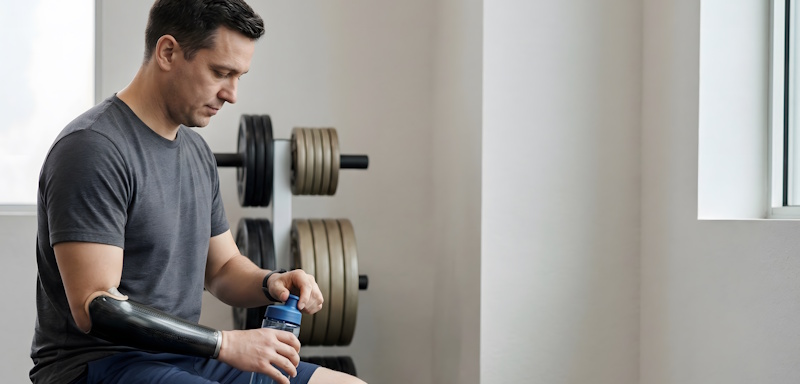
For individuals using a prosthetic arm or prosthetic hand, myoelectric systems are a major leap forward. These devices use electrical signals from residual muscles to control movement. With proper training, users can open and close a hand or rotate a wrist using intentional muscle contractions, allowing for more intuitive control during daily tasks.
AI-Assisted Hands and More Natural Control
Some newer prosthetic hand designs incorporate artificial intelligence to recognize patterns of use and adjust grip strength or movement accordingly. This can make transitions between tasks, such as holding a cup or turning a key, feel smoother. While still evolving, these reflect a broader trend toward advanced prosthetics that adapt to the user rather than requiring constant conscious control.
A Simple Checklist To Discuss at Your Next Prosthetics Visit
When exploring new prosthetic options, it can help to ask your prosthetist:
- What specific daily challenge are we trying to improve?
- How will this technology affect comfort, energy use, and skin health?
- What does the adjustment and follow-up process look like?
- How will success be measured over the next several weeks?
Innovations in prosthetics continue to focus on supporting everyday mobility with greater comfort, responsiveness, and personalization. While not every advancement is right for every individual, understanding what is available helps users make informed decisions alongside their care team. If you have questions, you can find an orthotics and prosthetics care team near you to help.