
Why Heart Health Month Focuses On Movement
Heart Health Month places a strong emphasis on regular movement because physical activity supports circulation, cardiovascular endurance, and overall heart function. Movement helps the heart work more efficiently while also supporting muscle strength, balance, and energy levels. Among many forms of exercise, walking is often recommended because it is low-impact, adaptable, and accessible for a wide range of ability levels.
Walking can take many forms depending on the day. For some, it may be a brief walk around the block or through a park. For others, it may be time spent walking indoors, running errands, or using a treadmill at a comfortable pace. What matters most is not intensity but consistency. Small amounts of movement performed regularly can support long-term heart health when they are sustainable.
For individuals managing chronic conditions, joint discomfort, or balance concerns, staying active often requires more planning and support. When walking feels uncomfortable or exhausting, it becomes harder to maintain a routine. Tools that help reduce strain on the body, including custom orthotics, may support movement by making activity feel more manageable and less physically demanding.
How Foot Pain Can Disrupt Heart-Healthy Habits
Foot pain is a common and often underestimated barrier to physical activity. Discomfort may begin gradually, starting as mild soreness after walking or standing. Over time, this discomfort can lead to hesitation, shorter activity sessions, or avoiding movement altogether. When pain becomes part of the walking experience, it hinders your motivation.
A variety of issues can contribute to foot pain, including heel discomfort, arch strain, joint irritation, and uneven weight distribution. For individuals using orthotics for plantar fasciitis, pain may be most noticeable after periods of rest or during the first steps of the day. These flare-ups can make it difficult to establish a consistent walking routine, even when the intention to stay active is present.
Foot pain does not exist in isolation. When discomfort alters the way a person walks, it can lead to fatigue in the legs, hips, or lower back. This added strain may further reduce the desire to stay active. Addressing foot pain early is important, not to push through activity, but to reduce unnecessary stress on the body so movement feels more approachable.
How Custom Orthotics Help Reduce Pain and Fatigue
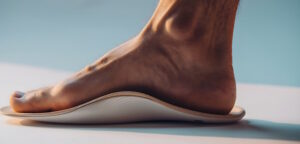
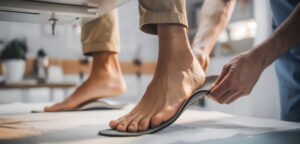
Custom orthotics are designed to address an individual’s specific foot mechanics. Rather than offering general cushioning, they are shaped based on foot structure, gait patterns, and pressure distribution. This tailored design helps support proper alignment and promotes a more balanced walking pattern.
By redistributing pressure across the foot, custom orthotics can help reduce stress on certain areas that are prone to irritation or overuse. This may help limit soreness during walking and decrease fatigue afterward. Over time, improved support can make everyday movement feel more efficient and less physically draining.
Compared to standard orthotic insoles, which are typically mass-produced, custom orthotics are intended to provide targeted support for specific needs. Many people notice that walking feels smoother and more stable when their feet are properly supported. When less energy is spent compensating for discomfort or imbalance, it becomes easier to stay active throughout the day.
Supporting a Consistent Walking or Exercise Routine
Consistency is a key factor in supporting heart health. Regular movement encourages endurance, circulation, and overall physical resilience. However, consistency depends largely on comfort. If walking leads to lingering soreness or fatigue, it is less likely to become a lasting habit.
Custom orthotics can help support consistency by making movement more comfortable during everyday activities. Tasks such as grocery shopping, household chores, or taking a daily walk may feel less taxing when foot support reduces strain. Over time, this can make it easier to maintain a regular routine without feeling worn down.
Sustainable activity is often built into daily life rather than scheduled as formal exercise. When walking feels steadier and more supported, people may feel more willing to move throughout the day instead of limiting activity to avoid discomfort. This type of consistent movement can play an important role in supporting heart health over the long term.
The Role of Proper Footwear in Heart-Healthy Activity
Footwear plays an important role in how orthotics function. Orthotic shoes are designed with features such as adequate depth, stable soles, and proper structure to accommodate orthotics and support alignment. When shoes provide a solid foundation, orthotics are better able to perform as intended.
Shoes that are worn out, excessively flexible, or poorly fitted may limit the effectiveness of orthotic support. They can also contribute to instability or fatigue, even when orthotics are used. Choosing footwear that works well with orthotics can help reduce unnecessary strain during walking and exercise.
Proper footwear selection supports comfort and safety, particularly for individuals focused on maintaining regular movement. When shoes and orthotics work together, walking often feels more natural and controlled, making activity easier to sustain.
Why Personalized Orthotic Care Matters
Movement patterns and support needs vary from person to person. Factors such as foot shape, activity level, medical history, and existing conditions all influence what type of orthotic support may be most appropriate. Personalized orthotic care takes these variables into account rather than relying on standardized solutions.
Working with a qualified orthotist or orthopedic specialist allows for proper evaluation and guidance. These professionals can assess gait, identify areas of strain, and determine whether custom orthotics may be beneficial. Follow-up care also helps ensure that orthotics continue to provide appropriate support as activity levels or needs change.
If foot pain or fatigue is making it difficult to stay active, consider reaching out to an orthotist or orthopedic specialist near you. A professional evaluation can help identify supportive options that align with your mobility needs and heart health goals.