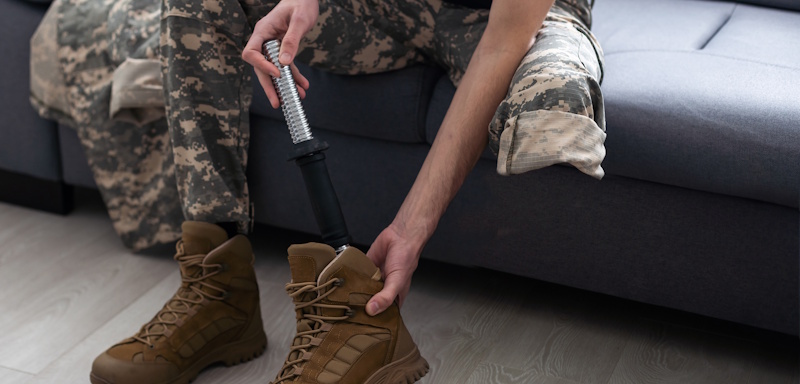
Understanding Prosthetic Support After Military Service
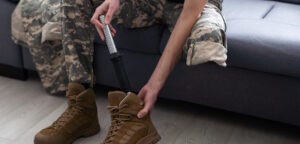
For many veterans, life after service includes adapting to physical changes that affect daily mobility and independence. For those living with limb loss, prosthetics are not just devices. They are part of an ongoing care process that supports comfort, function, and quality of life. Around Memorial Day, it is especially meaningful to recognize not only military service but also the long road many veterans continue to walk afterward. Understanding how prosthetic care works outside military hospitals, why custom fitting matters, how follow-up care supports long-term success, and can help veterans make informed decisions about their mobility.
Prosthetic Care Continues Long After Military Service
One of the most important things veterans should know is that prosthetic care is rarely a one-time event. A prosthesis may be delivered on a specific day, but successful care continues well beyond that point. Fit, alignment, comfort, activity level, and physical changes over time can all affect how a prosthesis performs in daily life.
That is why prosthetic care usually includes several stages: evaluation, fitting, adjustments, training, and ongoing follow-up. These steps help make sure the device supports the veteran’s real needs, whether that means walking safely at home, returning to work, driving, or participating in hobbies and community life.
Learning how prosthetic care works can help veterans feel more prepared to ask questions, speak up about discomfort, and stay involved in decisions about their mobility.
How Prosthetic Care Works Outside Military Hospitals
Many veterans are familiar with military or hospital-based care, but they may be less sure about what prosthetic care looks like afterward. In many cases, care continues through a mix of clinical evaluations, fittings, adjustments, and routine follow-up appointments in civilian healthcare settings.
What matters most is not the setting itself, but whether the care is individualized and responsive to the patient’s needs. A good prosthetic care process should focus on how the device fits, how it functions in daily life, and how well it supports the person using it.
Some veterans may also have care coordinated through the Department of Veterans Affairs (VA) or other healthcare channels, but the bigger picture is that prosthetic support often continues in practical, ongoing ways outside military hospitals. Understanding that can make the process feel more approachable.
Why Custom Fitting Matters for a Prosthetic Leg, Arm, Hand, or Foot
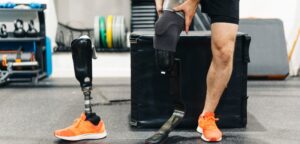
No two veterans have the same needs, which is why custom fitting is such an important part of prosthetic care. A prosthetic leg has to account for balance, alignment, socket comfort, and walking patterns. A prosthetic arm or prosthetic hand must support the specific tasks a person wants to perform, from basic daily routines to more detailed functional movements. A prosthetic foot may affect gait, stability, and comfort in ways that influence the entire body.
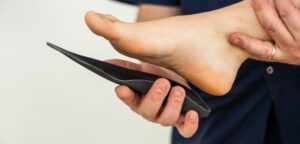
Even when two people have the same level of limb loss, their anatomy, strength, skin condition, activity level, and goals may be very different. That is why a one-size-fits-all approach rarely works well. Proper fitting of orthotics and prosthetics helps reduce discomfort, improve control, and support safer movement over time.
This is also where conversations about advanced prosthetics should stay practical. More advanced components can be useful in the right situation, but the best prosthetic solution is not always the most complex one. It is the one that matches the person’s body, lifestyle, and priorities. A well-fitted device that supports everyday mobility can be more meaningful than technology that does not fit the patient’s actual needs.
Follow-Up Care Is a Key Part of Prosthetic Success
A prosthesis that fits well at delivery may need adjustments later. Bodies change. Activity levels change. Weight may shift. Residual limb volume can fluctuate. Liners, sockets, and components may wear differently over time. These changes are normal, but they can affect comfort and function if they are not addressed.
That is why follow-up care is so important. Routine visits can help identify pressure areas, alignment concerns, gait changes, equipment wear, or functional challenges before they become larger problems. For some veterans, follow-up may involve small adjustments. For others, it may mean re-evaluating fit or updating components to better match current mobility needs.
Proactive care often leads to better daily outcomes than waiting until pain or instability becomes severe. Veterans who speak up early about discomfort, skin irritation, or changes in mobility are often in a better position to maintain steady function over time. Prosthetic care works best when it is treated as an ongoing process rather than a finished task.
A Better Understanding Can Support Better Mobility
Veterans living with limb loss often benefit from knowing that prosthetic care is meant to evolve with them. It is about making sure their device continues to support comfort, safety, and function in everyday life.
That may include regular evaluations, adjustments, updated components, and conversations about changing goals over time. In some cases, veterans may also work through VA-related care channels as part of that process, but the central issue is making sure care stays personalized and consistent.
Around Memorial Day, conversations about veterans’ health can carry extra meaning. Ongoing mobility care is one more way to recognize the lasting impact of service and the importance of practical, respectful support. Understanding how prosthetics work and why follow-up care matters can help veterans make informed decisions that protect independence and day-to-day quality of life.