The Role of Custom Orthotics in Diabetic Foot Care
Diabetes can change daily life in ways that are easy to overlook at first. Foot pain, numbness, and pressure can turn ordinary routines into frustrating challenges. Walking the dog, standing in the kitchen, getting through the grocery store, or even just getting out of bed may start to take more effort than they used to. For some people, these changes happen gradually. For others, they become noticeable all at once after a long day on their feet.
During Diabetes Awareness Week, it is important to recognize how these everyday limitations can affect comfort and mobility. It is also a good time to learn how supportive aids like custom orthotics can help provide relief.
How Diabetes Can Affect Foot Health
Diabetes can affect foot health in several ways, and many of them build gradually. Over time, high blood sugar can damage nerves and reduce circulation, especially in the feet and lower legs. This may lead to numbness, tingling, burning pain, or a reduced ability to notice a cut, blister, or sore. At the same time, slower healing can make even a minor issue more serious than it would be for someone without diabetes. These changes can increase the risk of infection, ulcers, and other complications that interfere with comfort, mobility, and long-term foot health.
Why Foot Ulcers and Amputation Are Serious Concerns
For people with diabetes, a foot ulcer can become a serious medical concern. What is an inconvenience for people without diabetes can result in limb loss for those with it. Poor circulation limits healing, and nerve damage makes it harder to notice the problem early.
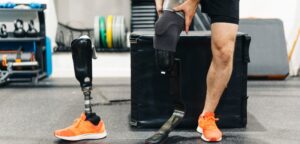
What starts as a blister, cut, or pressure point can develop into an open wound that is vulnerable to infection. If that infection spreads or the tissue becomes too damaged, amputation may become necessary to protect the patient’s overall health. This is why early attention to foot pain, pressure, and any visible skin changes is so important.
How Custom Orthotics Help Reduce Pressure
Custom orthotics are designed to match the individual, which is especially important for people with diabetes. When pressure is not distributed evenly across the foot, certain areas can take on too much stress with every step. Repeated pressure in the same spot can increase the risk of diabetic foot complications. Those bigger issues may show up as sores, blisters, cuts, ulcers, pain, or skin breakdown.
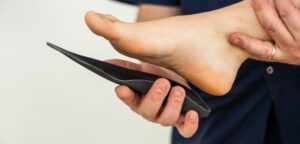
Custom orthotics help by supporting the foot in a more targeted way. They reduce strain in vulnerable areas and improve overall alignment for the wearer’s unique foot shape. For diabetic patients, that added support can play an important role in protecting foot health and making daily movement more manageable.
Comparing Custom Orthotics, Orthotic Insoles, and Orthotic Shoes
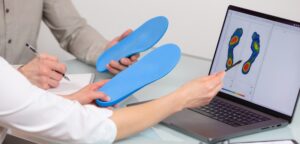
Orthotic insoles and orthotic shoes can be useful for people with diabetes who need more cushioning or basic support during daily activities. In some cases, they help reduce friction, improve comfort, and make walking easier than it would be in standard footwear. For patients with mild symptoms or early pressure concerns, these options may offer a helpful starting point. They can play a role in diabetic foot care, but they are usually made to fit a broader range of users rather than one specific foot shape or walking pattern.
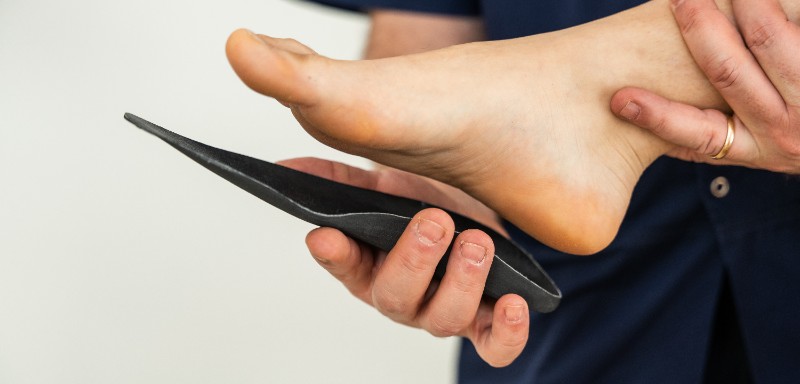
Custom orthotics are made for the individual foot, which gives them an important advantage for diabetic patients with specific pressure points, structural issues, and areas of concern. Rather than offering general support, custom orthotics are designed to match the person. Instead of taking the average person’s measurements and applying them across the board, custom orthotics provide precision that can more effectively reduce pressure in high-risk areas and provide personalized support over time. For patients trying to protect their feet and lower the risk of ulcers, custom orthotics often offer an effective long-term solution.
Seeing an Orthotist Early Can Make a Difference
Seeing an orthotist early can help address diabetic foot problems before they become more serious. An orthotist can evaluate pressure points, changes in foot shape, walking patterns, and areas that may be at higher risk for skin breakdown. That early attention may help patients find better support, reduce discomfort, and make informed decisions about custom orthotics, orthotic insoles, or orthotic shoes. It can also give patients a clearer understanding of how to protect their feet as symptoms change over time.
If you have concerns about your diabetic feet, it’s smart to reach out to an orthotist near you for guidance and support.