Get Support With Personalized Care and Custom Mobility Devices
Life changes after a diabetes-related amputation, but it is not the end of an active or meaningful future. It is the start of a new stage focused on healing, rehabilitation, and learning what is possible with the right support.
The initial shock can be overwhelming, and the physical and emotional trauma may be difficult to process in the early weeks. With guidance from the right medical team and access to advanced prosthetics, many patients are able to regain mobility and rebuild daily routines. Many return to their original level of independence.
For patients recovering from limb loss, Cotton Orthotic & Prosthetic Associates provides personalized care, custom prosthetic solutions, and ongoing support throughout the entire healing process.
Visit our website to book a consultation today.
Why Diabetes Can Lead to Amputation
Diabetes can damage the body in ways that make even a slight injury much more serious. Poor circulation can limit blood flow to the feet and lower legs, which slows healing. Nerve damage, often called diabetic neuropathy, can make it harder to notice a small cut or sore before it worsens. When an injury goes untreated, infection can spread, and tissue damage can become severe enough that amputation is the safest medical option.
This is just one reason regular checks, early treatment, and long-term diabetes management are so important. For patients, understanding what led to the amputation can also help guide the next stage of recovery. Cotton Orthotic & Prosthetic Associates supports patients during this stage with personalized prosthetic care and guidance as they prepare for life after limb loss.
What To Expect Emotionally and Physically After Limb Loss
Limb loss affects far more than physical mobility. In the days and weeks after amputation, many patients are dealing with pain, swelling, changes in balance, fatigue, and the demands of healing. There may also be grief, frustration, fear, and uncertainty about what daily life will look like moving forward. These reactions are normal, especially for diabetic amputees adjusting to a major change in health and independence.
At Cotton Orthotic & Prosthetic Associates, care is personal. Patients are not treated like a case number or as their diagnosis. They are treated as individuals with unique roadblocks and goals. That personal approach continues well beyond the first appointment. At Cotton Orthotic & Prosthetic Associates, we build long-term relationships with clients while providing ongoing prosthetic support, adjustments, and guidance throughout rehabilitation.
Book a consultation and get personalized support for the next stage of recovery.
A Light at the End of the Tunnel: Early Prosthetic Care Can Improve Recovery
Early prosthetic care plays an important role in both physical recovery and emotional adjustment after limb loss. On the medical side, timely care helps monitor healing, manage residual limb changes, and prepare the body for a prosthetic leg or prosthetic foot when appropriate. It can also support better limb shaping, help reduce complications related to swelling, and improve the fit of advanced prosthetics later in the process. Early guidance may also help patients improve balance, posture, mobility, and safety as they begin recovery.
Emotionally, having a clear plan and a trusted care team can reduce uncertainty during a difficult period. For many patients, early support through orthotics and prosthetics services provides structure and reassurance. When patients know their path toward independence going into surgery, it provides hope for the future. Cotton Orthotic & Prosthetic Associates works closely with each patient to develop a personalized prosthetic plan that supports recovery from the earliest stages forward.
How Advanced Prosthetics Support Mobility and Daily Life
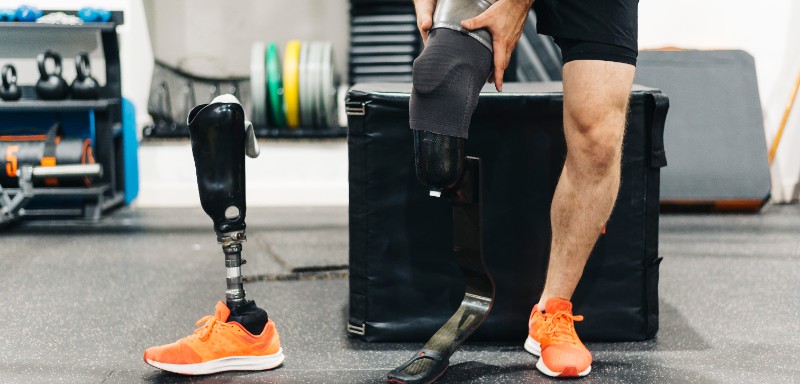
Advanced prosthetics can help restore movement, improve stability, and make daily tasks more manageable after limb loss. For a patient using a prosthetic leg or prosthetic foot, the right design can support better weight distribution and safer movement across different terrains.
For someone using a prosthetic arm or prosthetic hand, these advanced devices can improve function during everyday activities such as dressing, carrying items, and completing tasks at home or work. Just as important, a well-made prosthetic should match the individual, not just the diagnosis. At Cotton Orthotic & Prosthetic Associates, our care team creates personalized prosthetics based on each patient’s physical needs and lifestyle, which can make day-to-day life more practical and more comfortable over time.
Choosing the Right Prosthetic Leg, Arm, Hand, or Foot
Choosing the right prosthetic depends on far more than the type of limb loss. A prosthetic leg, foot, arm, or hand should be selected based on the patient’s anatomy, healing progress, strength, balance, daily routine, and personal goals. For diabetic amputees, factors such as skin integrity, circulation, and long-term limb health are also important when planning for successful prosthetic use.
The best outcomes often come from a personalized approach. Everything from comfort to function to long-term goals should be considered when crafting your device. Cotton Orthotic & Prosthetic Associates works closely with each patient to recommend advanced prosthetics that support safe, practical use and long-term mobility.
Moving Forward With Personalized Prosthetic Care in Overland Park
For diabetic amputees, moving forward after limb loss requires care that is personal and practical. At Cotton Orthotic & Prosthetic Associates, our team is prepared to deliver the compassionate and expert service you need during the difficult period following a diabetes-related amputation.
Schedule a consultation with Cotton Orthotic & Prosthetic Associates today to get started with personalized prosthetic care.